
 Raising Happiness: 10 Simple Steps For More Joyful Kids and Happier Parents
 is my new favorite parenting book. I checked it out of the library a few weeks ago and found myself marking so many passages to photocopy that I finally decided to just purchase my own copy of the book. Christine Carter, the director of UC Berkeley's Greater Good Science Center, draws on the latest research and her own experience to come up with a succinct guide on how to raise not only happy children, but ones that are kind, grateful and self-motivated. Not surprisingly, part of the recipe for happy children includes happy parents, so there are also plenty of tips on how to increase your own happiness and create a joyful family environment.
If you've read books like NurtureShock
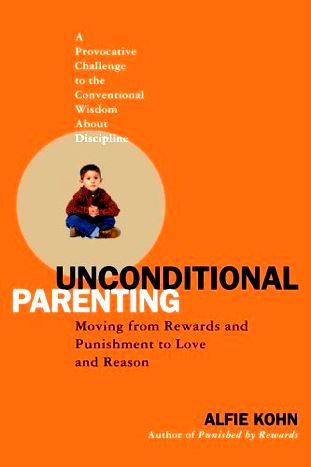
 or Unconditional Parenting
 the science covered in Raising Happiness will not be new, and Carter does not spend a lot of time rehashing the research, she is more interested in the conclusions and how we can apply them to our parenting practice. The thing that this book does amazingly well is offer specific advice while providing enough flexibility to tailor the recommendations to your family. If saying a prayer before dinner as part of a gratitude practice doesn't work for you, how about a toast? If you can't volunteer with your child, maybe you can pick up trash at the park together. So many parenting books are either so rigid you feel that one misstep will doom your child for life or else so nebulous that you can't figure out how to apply any of their suggestions.
Initially I was a little put off by the book. The first chapter draws heavily on Carter's experiences as a working mom and I was starting to wonder if her tips would apply to parent who stays home. Especially when, in a section on building a good relationship with your partner, she wrote "busy couples with kids and two full-time jobs don't have sex less than couples with a stay-at-home parent." As if I have nothing to do other than lay around in lingerie thinking sexy thoughts. Anyway, despite the shaky start, I was totally won over by the end of the second chapter. Raising Happiness is organized into short chapters, with sub-headings and "Try This" sections that make finding the information you're looking for easy. She only employs one acronym (ERN - empathy, reason, non-controlling language) which is actually simple enough for me to remember and make use of when dealing with my 3 year old. Plus, she recognizes that kids may respond differently to her tactics. She actually includes an example where labeling a angry child's feeling does not diffuse the situation, but instead prompts him to shout "I AM NOT FRUSTRATED. I AM HAPPY!" So many of the examples in this book spoke to my own experience, from being bored while playing with my son to chaotic dinner time situations.
Since the book is about creating a happy and fulfilling family situation, its messages are relevant to families with infants all the way up through the teenage years. Once you are beyond the books on when to introduce solids and how to get your baby to sleep (I read plenty of those!) I highly recommend picking up Raising Happiness.

 , had some good alternatives to time-outs I decided to check it out of the library.